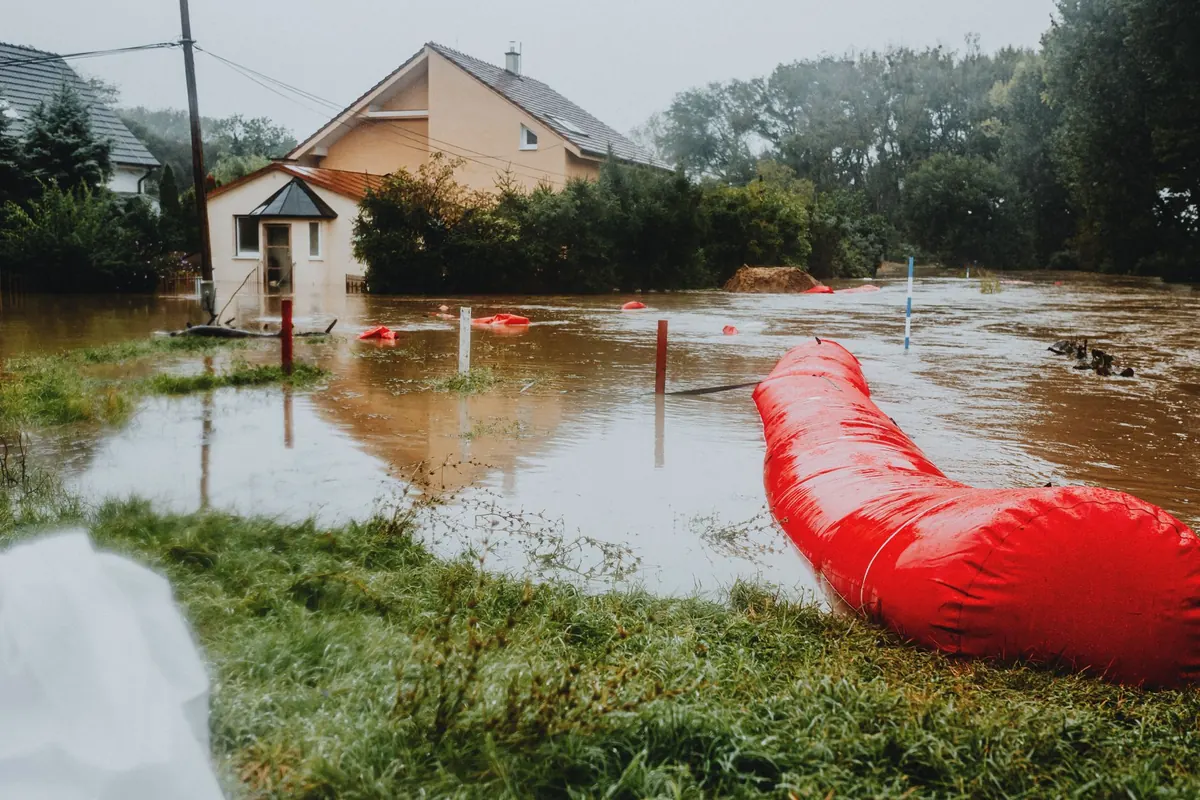
Every winter, the same scene plays out somewhere along the Suffolk coast or beside the Waveney, the Deben or the Orwell. A low-pressure system sits over the North Sea, the tide runs higher than forecast, rain keeps falling on already sodden ground, and by morning a lane that was dry at midnight is ankle-deep. The households that cope best are rarely the ones that got lucky. They are the ones that thought about it in October, when the sun was still out and there was no particular reason to hurry.
What follows is a working checklist rather than a lecture. Some of it takes an afternoon. Some of it costs nothing at all. Do the pieces that apply to your home, and do them before the first named storm reaches the shipping forecast.
Know your actual risk, not the general one
Flood risk is local. Two houses on the same street can sit at very different heights, with different drainage, different ground and different exposure to tidal surge. The Environment Agency's flood map is a reasonable starting point, but it will not tell you that your particular back garden fills because a culvert blocks, or that the parish pump station has failed twice in five years.
Talk to neighbours who have lived there longer than you have. Ask what happened in the winters of the last decade, where the water came from, how deep it got and how long it stayed. Ask whether the road flooded from the river, the sea, surface water running off fields, or all three. That single conversation often tells you more than any map.
Quick questions worth answering
- How far is the nearest tidal or fluvial defence, and what condition is it in?
- Which direction does water arrive from first — road, garden, or drains?
- How long does it take the water to recede once the peak passes?
- Is your electricity supply, boiler or fuse box at ground level?
- Does your mobile signal hold up when the power goes down locally?
Documents: get them out of the flood zone first
Paper and water do not mix, and insurers, banks and councils will all want proof of something after an incident. Long before that, move the irreplaceable material somewhere dry and high — ideally upstairs, or out of the building entirely at a relative's house.
The priority is anything that is hard or expensive to replace:
- Passports, birth and marriage certificates, and driving licences.
- Insurance policy documents and the policy number, written down separately.
- Mortgage, tenancy and council tax paperwork.
- Wills, powers of attorney and pension details.
- Medical prescriptions, repeat medication lists and vaccination records.
- Pet microchip and vaccination records, plus livestock or equine paperwork if relevant.
Then make a digital copy. Photograph each document on your phone, or scan it, and store the images somewhere that is not the house — cloud storage, a memory stick kept at work, or emailed to yourself. A sealed plastic wallet in a high cupboard is a sensible second layer. It is not a substitute for the digital copy.
Take photographs of every room, cupboard and expensive item before anything happens, including serial numbers on appliances. Insurers accept dated photos far more readily than a list written from memory three weeks after a flood. If your circumstances or the value of your contents have changed, it is worth reviewing your policy with a qualified insurance broker or adviser, since standard policies differ on what they cover in high-risk areas.
Supplies: a go-bag plus a stay-put kit
There are two scenarios, and they need different kits. If you may have to leave, you want a bag you can carry. If you may be stuck at home without power, water or a usable road, you want supplies that let you sit it out comfortably for several days.
The grab bag
- Torch and spare batteries, plus a head torch so your hands stay free.
- Phone charger, a charged power bank, and a car phone charger.
- Copies of key documents in a sealed bag, and some cash in small notes.
- A few days of any prescription medication, in original packaging.
- Water, snacks, and baby or pet supplies if needed.
- Spare clothes, warm layers, waterproofs and sturdy boots.
- Keys, glasses, hearing aid batteries and anything you cannot function without.
Staying put
- Drinking water — allow roughly a couple of litres per person per day.
- Food that needs no cooking, and a camping stove used only outdoors or in a ventilated space.
- Battery or wind-up radio, so you can follow local updates without power or signal.
- First aid kit, hand sanitiser, and a supply of bin bags and cleaning cloths.
- Wellington boots, gloves, and a way to move heavy items upstairs quickly.
- Torches on every floor, and a battery-powered carbon monoxide alarm if you use any fuel-burning backup heating.
Store what you can on high shelves. Anything in a garage or low cupboard should be treated as potentially under water, including tools, paint, garden chemicals and the freezer.
Protect what you cannot move
If water is likely to enter at ground level, the cheapest protections are often the most effective. Air brick covers, floodgates on doors, non-return valves on drains and a sealed skirt around a low doorway can all reduce how much gets in. Some of these need fitting well before winter, not on the day the warning arrives.
Water rises faster than most people expect, and it is rarely clean. Assume anything it touches outdoors — drains, gardens, roads — can be contaminated, and wash your hands properly after contact.
Inside, lift what you can onto blocks or high shelves: electrical items, furniture legs, cardboard boxes, anything stored on the floor. Unplug and move appliances that sit at ground level if you have warning. Put sandbags or purpose-made barriers across doorways, but plan how you will get in and out if they work and the water still rises around the house.
An evacuation plan you have actually practised
A plan on paper is not a plan. Walk it once with the people you live with, and agree the details out loud.
- Where you go: a named address — family, friend, or a rest centre if one is opened — plus a backup.
- How you get there: at least two routes, avoiding roads that flood or dip toward the river.
- Who is responsible for what: pets, medication, elderly relatives, car keys, the grab bag.
- How you stay in touch: a single out-of-area contact everyone texts, in case local networks are overloaded.
- When you leave: earlier than feels necessary, especially with children, mobility needs or animals.
Never drive through floodwater. It is difficult to judge depth, the road surface may be gone beneath it, and moving water can shift a car surprisingly easily. Sign up for flood warnings through the Environment Agency and check your local council and parish pages for their own alert systems, then keep a phone charged enough to hear them.
Before the first warning
Pick a dry weekend this month and work through what matters most: documents copied and stored high or elsewhere, insurance checked, grab bag packed by the door, neighbours spoken to, and a route agreed. It takes an afternoon and it will not feel urgent. That is precisely why it is worth doing now.
If you have a disability, a long-term health condition or care responsibilities, speak to your council about their emergency planning arrangements and to your GP or care team about medication supplies before winter, rather than during a warning. And when floodwater has been inside a home, take advice on drying and repairs from your insurer and a qualified contractor before you start ripping out floors — the wrong repairs can cost you more than the water did.