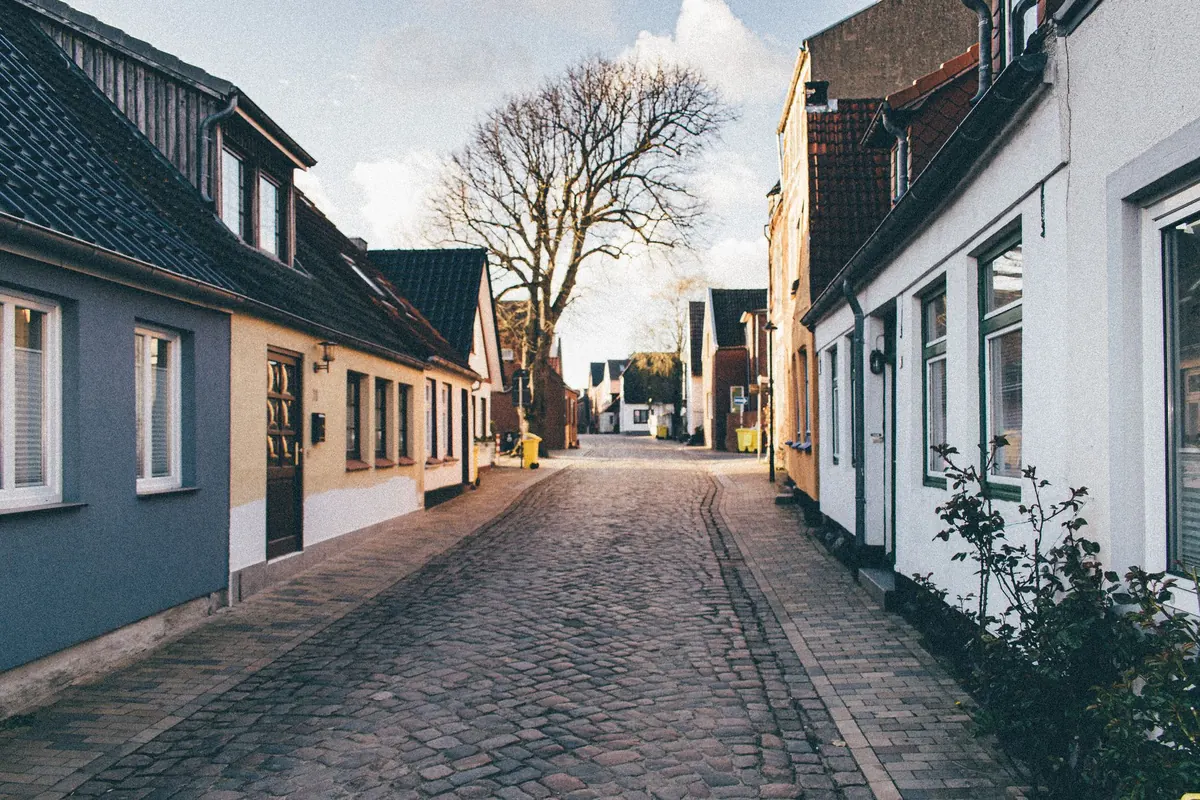
Ask anyone who has lived here a while and they will tell you the same thing: the big names on the county's festival calendar are only half the story. The other half happens in a church with no car park, a village hall with a tea urn, an orchard behind a farm gate, or a maltings on a Saturday afternoon when the wind comes off the marshes. These are the events where you bump into the same three people all summer and end up buying a raffle ticket you did not plan on buying.
The guide below runs through the year in the order the events tend to arrive. Dates move, and small festivals move more than most, so treat this as a shape rather than a schedule. Parish noticeboards, free local papers and the organisers' own pages are still the best sources of truth.
January and February: Wassailing, Winter Ales and Small Halls
Winter is quieter, but it is not empty. Orchards across the county hold wassails in the first weeks of the year, sometimes into February: a lantern-lit walk to the oldest tree, a bit of noise to wake it up, cider-soaked toast in the branches, and songs that nobody is entirely sure of the words to. Wrap up properly. These happen outdoors and they do not run long.
Indoors, January is folk club season. Village halls that sit empty in December fill up again with ceilidhs, singer nights and Burns suppers around the 25th. February brings the first real excuse to leave the house in daylight: snowdrop openings at gardens and estates, often run for charity, usually with tea and cake in a church or barn. Go early in the day; the light in a walled garden in February is worth the trip on its own.
March and April: Dawn Chorus, Plant Sales and Easter Weekend
Spring announces itself with birdsong before anything else. Reserve-led dawn chorus walks start up in March, and they genuinely begin before sunrise, so set two alarms and accept that you will be tired by lunchtime. Take binoculars if you have them and a flask regardless.
Easter is the first proper festival weekend of the year. Expect church flower festivals, egg hunts at the larger estates, and the start of the village plant sale season. A word of advice on plant sales: the good ones start at ten and the best perennials are gone by half past. Bring a box, bring cash, and do not linger over the cake stall first.
By late April, Morris sides are out on greens again and the first vintage and steam rallies of the year are warming up. These are family-friendly in the old-fashioned sense: lots of standing about, lots of noise, and a burger van doing steady business.
May: The County's Busiest Month
If you plan one festival month in Suffolk, plan this one. The county show at Trinity Park lands in late May or early June and is the closest thing we have to a shared civic occasion. The arts festival in Bury St Edmunds usually fills a fortnight in May with talks, music and exhibitions in churches and gardens around the abbey. Guided walking festivals, when they run, put on dozens of led walks across the coast and heaths.
May Day itself still means Morris dancing and, in some villages, garlanding. Bank holiday weekends are when everything collides, so a little forward planning pays off:
- Accommodation: coastal rooms in Southwold, Aldeburgh and Walberswick go months ahead for bank holidays. Inland towns are cheaper and rarely more than half an hour away.
- Ticketed talks and concerts: anything in a church or hall with fixed seating will sell out. Book when you see it advertised, not the week before.
- Sunday lunch: pubs that take bookings will be full by Friday. Pubs that do not take bookings are worth the wait.
- Parking: village events rarely have any. Park once, sensibly, and walk in.
June and July: Long Evenings, Music and Open Gardens
June is when the county is at its best. Suffolk Day falls on 21 June, and smaller towns mark it with everything from guided walks to market stalls to choirs in a churchyard. Around the solstice, the free seafront festival in Lowestoft draws a big, relaxed crowd to the beach for music, food and a late sunset.
The classical calendar peaks with the Aldeburgh Festival at Snape Maltings, founded by Benjamin Britten and still programmed with a spirit of curiosity rather than reverence. If the main concerts are beyond your budget or sold out, look at the talks, films and open rehearsals around them.
July brings outdoor theatre in the woods and fields, arts festivals in the coastal towns, and the large music festival at Henham Park. If the big field is not your thing, the fringe of smaller gigs, spoken word nights and exhibitions that grows up around it in the market towns is often more interesting and considerably easier on the feet.
August and September: Proms, Regattas and the Harvest Table
August is prom season at Snape, with a mixed programme of orchestral nights, folk, jazz and comedy across the month. It is also regatta season: Southwold, Aldeburgh, Waldringfield and Pin Mill all hold theirs, and they are as much about standing on the shore with an ice cream as they are about the racing.
September is the food month. The food and drink festival at Snape Maltings in late September is the anchor, with producers from across the region, cooking demos and a very good cheese selection. Book parking and entry in advance; the site fills quickly and the lanes around it were not designed for a busy Saturday.
Heritage Open Days also fall in September, which means free access to churches, windmills, guildhalls and private buildings that stay shut the rest of the year. It is the single best-value fortnight in the county calendar, and most people ignore it. Do not be most people.
October, November and December: Apples, Bonfires and Carols
Autumn starts with apple days and orchard festivals, where you can press your own juice, taste varieties you will never find in a supermarket, and buy a bag of fruit that keeps until Christmas. Harvest suppers follow, then Halloween, then bonfire night, when the big organised displays share the evening with village bonfires that are smaller, smokier and often better fun.
From mid-November the Christmas markets begin, with Bury St Edmunds and Woodbridge among the busiest. Small venues put on pantomimes and winter concerts, and the carol services in the wool churches of Lavenham and Long Melford are worth booking a pew for. Then the year turns, the orchards are visited again, and it starts over.
Before You Go: Small Festival Practicalities
Small events run on thin margins and volunteer goodwill, which shapes how you should approach them. A few habits make the day go better for everyone:
- Carry some cash. Card readers fail in fields, and donation tins and raffles are often the point.
- Check the organiser's own page the morning of the event, not just a listing site. Village events get moved for weather and for funerals.
- Take a reusable cup and a bag for purchases. Many events now ask you to.
- Keep dogs on leads unless signs say otherwise, especially at food and agricultural events.
- Consider volunteering. Stewarding a couple of hours usually gets you in free and is how most of these festivals survive another year.
If you are travelling any distance, check accessibility and facilities before you commit, since village halls and churchyards vary enormously. And if a date matters to you, confirm it directly with the organisers rather than trusting a calendar entry that may be a year old.
Photo: Th2city Santana / Pexels