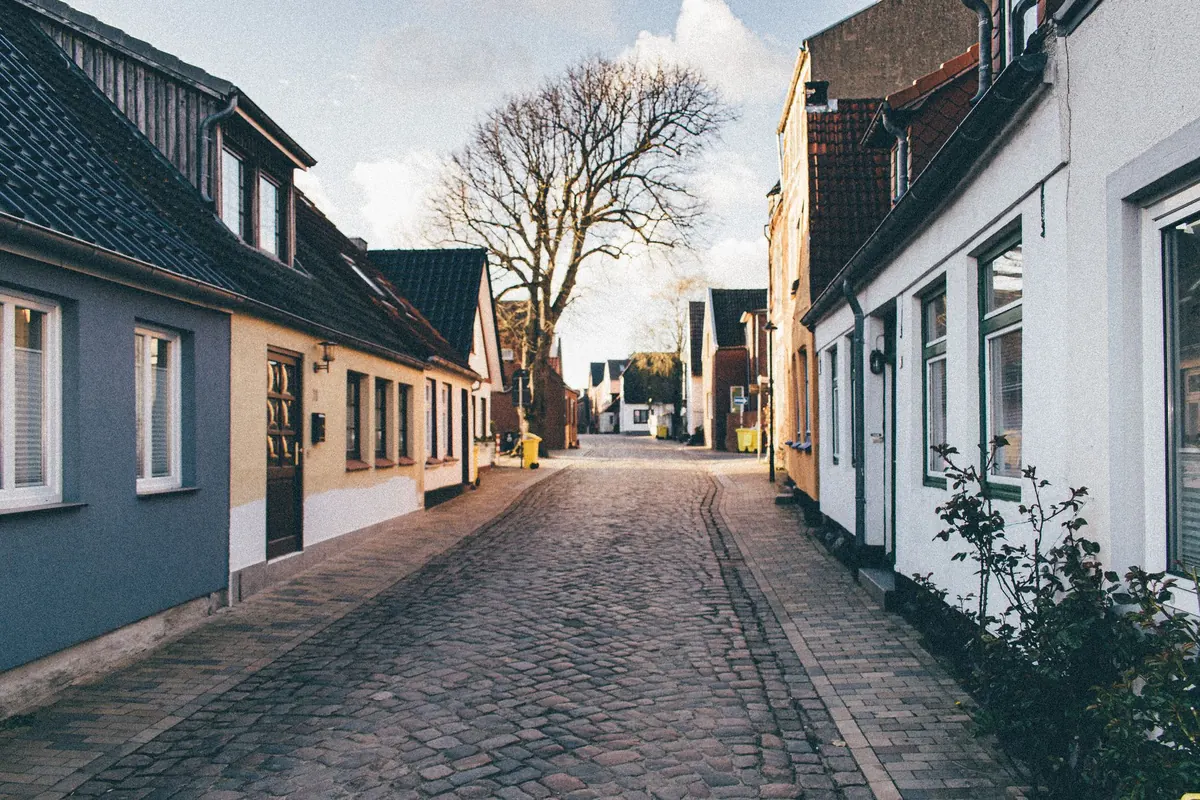
Spring is the season Suffolk does best. Hedges fill in, the light stretches out, and villages that felt shut in February start to look like somewhere worth an afternoon. The same weather that makes a walk glorious also turns a car park into a bog, a footpath into a stream and a beer garden into an act of optimism. Ten minutes at the kitchen table before you leave usually decides whether the day works. Here is what to check, roughly in the order it matters.
Start with the journey, not the postcard
Most disappointing days out in Suffolk come from trying to see too much. Villages that sit a few minutes apart on the map — Lavenham and Long Melford, Kersey and Hadleigh, Orford and Aldeburgh — still take longer than you think once parking, a walk and lunch are added in. Pick one village as the anchor and treat anything else as a bonus on the way home.
Think about the shape of the day as well. An afternoon walk that starts at four can end in a chill, a gate you cannot see properly and a phone torch. If children or slower walkers are with you, work backwards from the time you want to be back at the car, not forwards from when you set off.
Parking decides more than any pub review
Parking is the test most villages fail, and it is almost always the thing people forget to check. A green with three bays fills by half past ten on a sunny Saturday. Ask what you will do if the obvious spot is taken: is there a village hall car park that welcomes visitors, a pay-and-display machine that takes coins or an app, a layby on the edge of the village?
A few habits save a lot of embarrassment:
- Never park on a village green, even if it looks driveable — it is usually common land, and often soft underneath.
- Do not block gateways, farm tracks or narrow bends. A tractor does not negotiate.
- Check whether the machine takes cash or card before you commit; signal is patchy in the valleys.
- If the village has a bus stop or a station, that is a genuinely pleasant option.
Leave the car somewhere a resident would not mind finding it, and the rest of the day tends to go better.
Pubs, cafés and the Monday problem
Opening hours are the second great disappointment. Country kitchens often serve food between twelve and two and then close until the evening, and a surprising number of pubs shut on Mondays and Tuesdays. Ring ahead if lunch matters, and book if the pub is small or known for its food. A village with one pub that is hosting a 60th birthday is a village with no lunch.
It helps to know your fallback. Many villages have a shop or a garage with a few tables, and a market town twenty minutes away will almost always have something open. Take water regardless; a spring walk in warm sunshine is thirstier work than it looks, and there is no guarantee of a tap where you finish.
Walks, mud and the question of footwear
Spring footpaths are rarely dry. South Suffolk clay holds water for weeks, and a path across a ploughed field can be ankle-deep after a wet March, while the Sandlings and the Brecks drain much faster. Boots rather than trainers, and accept that a two-mile loop in a valley may take as long as five miles on heath.
Check a few specifics before committing:
- Does the route cross a ford, a marsh or a river crossing that only runs in season? Paths near tidal estuaries, and any walk that depends on a small ferry, need checking.
- Are there stiles, and can everyone in the group manage them?
- Will you cross a field with livestock? In spring, lambs and calves mean dogs on leads, without exception.
- Is the land permissive rather than public? Some estate and farm paths close for a few weeks in spring.
A paper map or an offline download is worth the small bother. Suffolk's wooded valleys and lanes swallow phone signal, and the moment you need the map is usually the moment the screen shows one grey bar.
The facilities you will actually miss
People remember benches and loos only when they need them. Public toilets in rural Suffolk are rare and often seasonal, so treat any you pass as a gift. Churches are usually open, welcome quiet visitors and give shelter when the weather turns, but they are not facilities and should not be treated as such. Village hall noticeboards will tell you if a coffee morning is running.
Then the quieter practicalities: somewhere to sit halfway round, a bin at the start or a bag to carry everything home, a churchyard path that will take a pushchair, a walk entrance that is obvious from the road. Villages that score well on these small things are the ones you end up returning to.
The ten-point checklist
Run through these before you set the alarm.
- Parking. Where you will legally park, what it costs, and what happens if it is full.
- Opening hours. Confirm the day, then the times; Monday is the usual trap.
- Lunch. Booked, planned or deliberately irrelevant — decide in advance.
- A walk. One route of 30 to 90 minutes, printed or downloaded, with a shorter option.
- Ground conditions. Clay or sand, stiles or gates, floods or fords.
- Toilets. The nearest one, and when it opens.
- Dogs. Welcome on the walk, welcome in the pub, on a lead near livestock.
- Weather. Wind off the coast and rain to the west can arrive separately from what your own town is doing.
- Money and signal. A little cash, a full tank, and a map that works without a signal.
- Timing. Arrive before eleven, leave well before dusk.
Before you go: small habits that help
Check the village website, the parish council page or the pub's most recent post on the morning itself rather than a week earlier. Spring schedules shift, and a kitchen refit or a shut footbridge is rarely announced far in advance. Confirm anything you have booked, and any ticket conditions, directly with the venue.
Take litter home, keep dogs off the cricket square, and park as though the person whose gateway you are near is watching — in a village of two hundred people, they probably are.
Keep the day modest, too. One good village, one decent walk, one long lunch and a proper look at the church will beat a rushed tour of four. Suffolk rewards the visitor who leaves something for next time, when the bluebells are out and the river has dropped.
Photo: Matthis Volquardsen / Pexels