Choosing between the Suffolk coast and the Suffolk countryside for a weekend is a good problem to have. The two are rarely more than an hour apart, neither is crowded by the standards of the West Country, and both reward a slow pace. The difference is texture. The coast is wind, shingle and horizon, with water always somewhere in view. Inland is hedgerows, timber-framed villages and rivers that appear around a bend in the lane. Here is how they compare on the things that actually decide a two-day trip: scenery, transport, food and weather.
Scenery: Shingle and Sky vs. Hedgerow and River
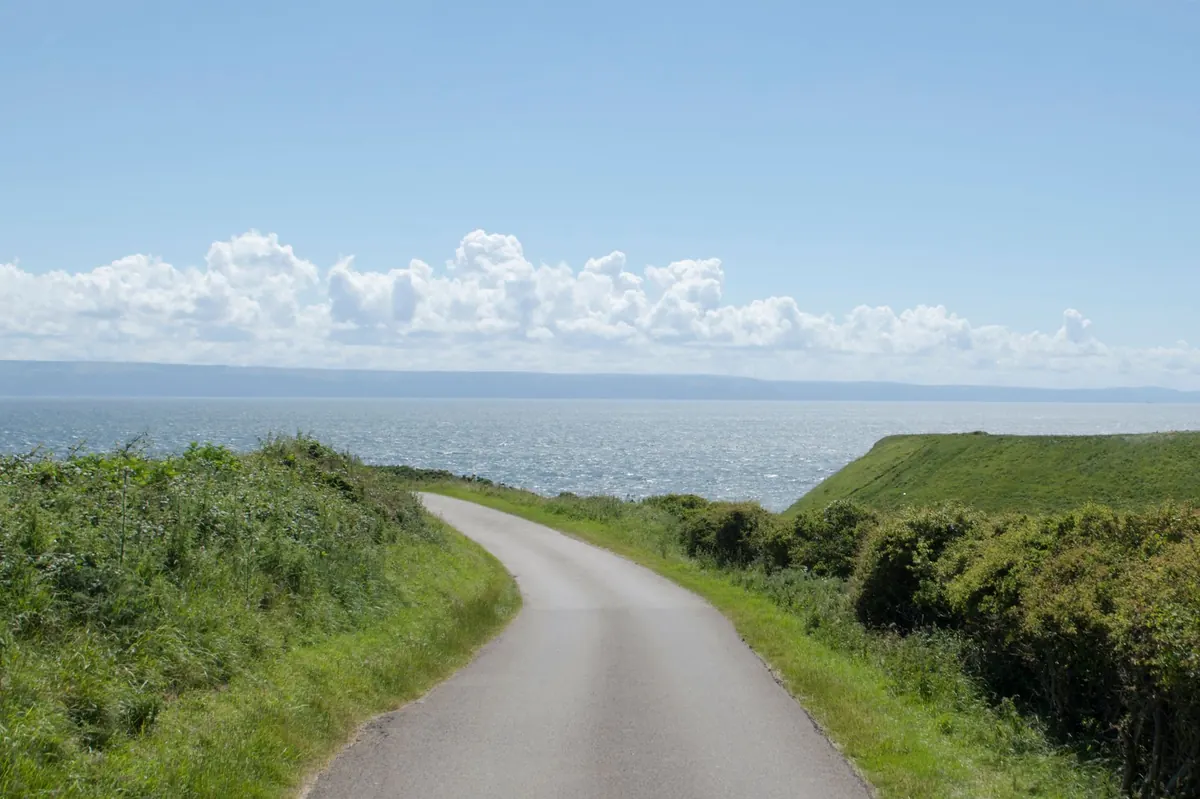
The Suffolk coast is not the sandy, bucket-and-spade strip people picture when they hear "seaside". Parts of it are — Lowestoft and Felixstowe have proper sand — but the stretch that draws people back is shingle, marsh and reedbed. Aldeburgh and Dunwich are pebble beaches with steep shelves and cold water. Behind them sit the wetlands at Minsmere, the wide estuaries of the Alde and Ore, and the low, reed-fringed country around Walberswick. Horizons are broad, the sky does most of the work, and there is nearly always a breeze.
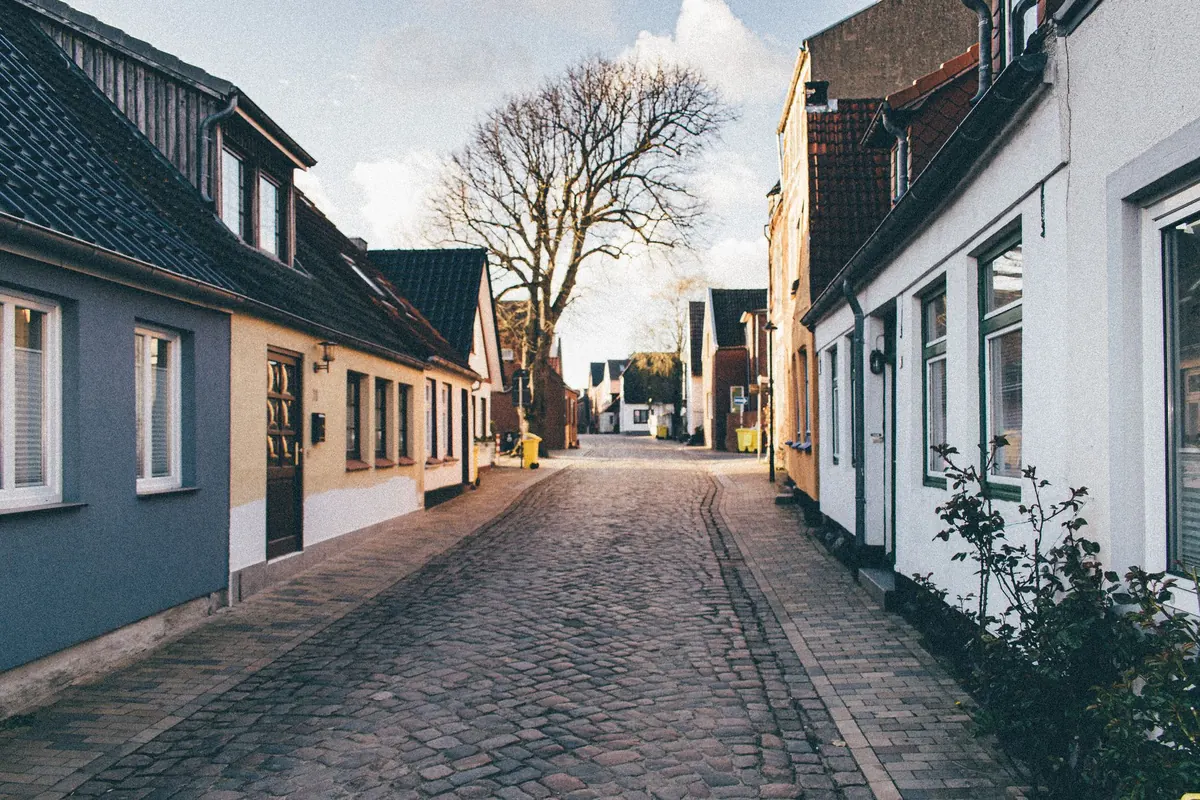
Inland is gentler and greener, and more human in scale. The wool towns — Lavenham, Long Melford, Kersey, Clare — are the showpieces: crooked timber frames, wide market squares, churches built on medieval cloth money. Dedham Vale is Constable's country, all water meadows and poplars. The rivers Stour, Deben and Waveney offer flat, easy walking, and the lanes between villages are good cycling if you don't mind a few rises. Nothing here is dramatic. It is quietly pretty, and it repays a slow look.
Getting Around: Rail, Buses and the Car Question
Rail covers more of Suffolk than visitors expect, but not always the places people most want to reach. The East Suffolk Line runs from Ipswich up to Lowestoft, calling at Woodbridge, Saxmundham, Halesworth and Beccles. A branch from Ipswich serves Felixstowe, while the Ipswich to Cambridge line stops at Stowmarket, Bury St Edmunds and Newmarket. That leaves Southwold, Aldeburgh, Lavenham and Kersey without a station at all; Southwold's nearest railheads are Halesworth and Saxmundham, and from either you need a bus or a taxi.
Inland, a car makes life easier: quieter roads, simpler parking, and attractions scattered through villages rather than crammed into one busy town. On the coast the opposite is true. Parking in Southwold and Aldeburgh is the great summer headache, so arrive before ten or park on the edge and walk in.
- Straightforward without a car: Woodbridge, Felixstowe, Lowestoft, Bury St Edmunds, Stowmarket.
- Car or taxi in practice: Southwold, Aldeburgh, Lavenham, Kersey, Dedham.
- Buses: they connect the main coastal towns, but timetables thin out badly on Sundays and in winter. Check before you build a day around one.
- The in-between places: small churches, farm shops and estuary paths are almost always a car — or a long walk — away.
Food and Drink: Sea Salt vs. Farmyard
On the coast, the default is fish. Aldeburgh and Southwold both have chippies worth queueing for, the smokehouses along the shore sell hot smoked fish you can eat on the beach, and Orford and Butley are the places for oysters and shellfish. Crab sandwiches turn up on most pub menus, and Adnams beer is brewed in Southwold, where several of the town's pubs pour it a few hundred yards from the brewery.
Inland, the emphasis shifts to farms and long lunches. Expect gastropubs with local lamb and Suffolk ham, asparagus in late spring, strawberries in June, cheese from small dairies, cider from around Debenham and Newmarket sausages. Bury St Edmunds has a proper market and a couple of breweries worth a look. One warning: village pubs often serve food only at lunch and early evening, and some close early on quiet weeknights. Ring ahead rather than turning up hopeful at eight.
Weather and Light: What to Expect
East Anglia is one of the drier parts of the country, so either option is a fair bet for a weekend. The differences are local rather than dramatic. The coast is windier and a touch cooler in summer, thanks to sea breezes, and a sea fret can swallow a bright morning in half an hour before clearing just as suddenly. Winter walks on the shingle are bracing, and the light — sharp, clear, low — is why so many painters and photographers work out here.
Inland, summer afternoons run warmer and winter mornings colder. Frost settles in the river valleys, and dawn mist on the Stour or the Deben is worth setting an alarm for. Pack layers rather than one heavy coat, bring something windproof if you are heading to the coast, and wear shoes you can walk two miles in. Shingle is hard going, and estuary paths can be muddy.
Where to Base Yourself
Base on the coast at Southwold or Aldeburgh if you want the sea on the doorstep and are happy to walk or drive for everything else. Base inland at Bury St Edmunds, Lavenham or Long Melford for towns, markets and easy driving. Woodbridge is the useful compromise: a handsome town on the Deben, with a station, Sutton Hoo a short hop away and the coast within reach. A shape that works well for two days:
- Friday evening: arrive and eat within walking distance of where you are staying. Don't plan a cross-county drive after a long week.
- Saturday: one substantial thing in the morning — a beach walk, a castle, a market — then a long lunch, then something short in the afternoon. A church, a river path, a garden.
- Sunday: walk before the crowds build, then one stop on the way home. Snape Maltings, Framlingham Castle and Bury St Edmunds market all work as a last call.
How to Choose, and What to Book First
Choose the coast if you want salt air, big skies, seafood and long beach walks, and you can live with wind, shingle and August crowds. Choose the countryside if you want villages, castles, wool churches, comfortable driving and easier parking. If you genuinely can't decide, remember the county is small: base inland near Woodbridge or Framlingham and give one day to the sea.
Before you go, sort the things that are awkward to fix on the day:
- Accommodation, early, for summer weekends, half terms and any weekend with a festival nearby.
- Dinner reservations for Friday and Saturday, particularly in Southwold, Aldeburgh and the well-known inland pubs.
- Tide times, before any estuary or beach walk. Water moves fast across the mudflats and channels cut off paths quickly. If you don't know the area, don't wander onto the marshes, and never cross an estuary on foot on a guess.
- Last train and last bus times if you are travelling without a car, plus a taxi number as a fallback.
- Opening days. Smaller museums, gardens and pubs keep short hours out of season — Monday closures are common.
Whichever you pick, leave room for one unplanned stop. That is usually the part people talk about on the drive home.
Photo: Richard Blaikie / Pexels