The verge between the bypass and the allotments tells its own story. A lager can. Four vape packets. A surprising number of golf balls. You have walked past it for months, and every week it looks a little worse.
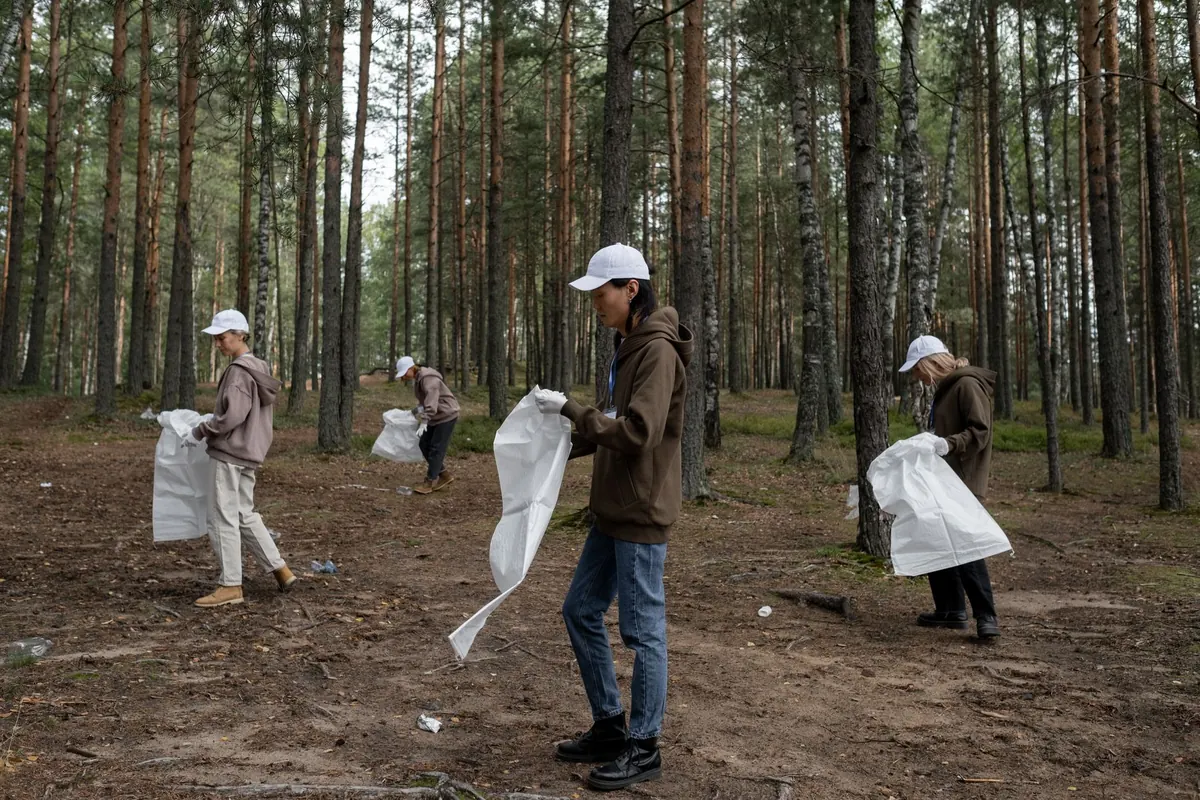
A dozen people with pickers and bags could clear that stretch in ninety minutes. That is the whole idea behind a neighbourhood litter-pick: neighbours, a planned route, and a bit of groundwork done beforehand so the morning itself runs smoothly. It is not a protest, and it is not a substitute for the council's own crews. Get it right and it is one of the most straightforwardly useful things a street can do together.
Pick a patch small enough to finish
First-timers often announce a clean-up of the entire town. Scale it down. One street, one recreation ground, one stretch of riverside path or a single beach car park gives you a visible result and something to show people afterwards. Two hours is plenty for a first outing. Longer than that and volunteers drift away, bags get too heavy to carry, and the mood sags just as you want it to be lifting.
Walk the route yourself a week before. Look for the things that will cause trouble: a stretch with no footway beside fast traffic, broken glass, fly-tipped waste, brambles hiding who knows what, a corner where needles have been found before. Note where the nearest public toilets are, and which café is open on a Saturday morning. That last detail matters more than you might think.
Get the council on side before you advertise
Land ownership is the bit people skip, and it is the bit that causes friction. In Suffolk, most verges, parks, play areas and pavements sit with the district or borough council; some paths, country sites and rights of way fall to the county or a parish council; plenty of land is privately owned. A short email or phone call sorts out who is responsible for what, and asking first is always better than being told off later for leaving forty bags of rubbish beside a bin.
What to ask about:
- Permission for your chosen route, and any spots to avoid
- Loan of litter pickers, hoops, gloves and hi-vis vests, which many councils and some parish councils keep for exactly this purpose
- Bag collection: where to leave the full bags and on which day they will be picked up
- Whether there is an existing volunteer, adopt-a-street or friends-of group you could join instead of starting from scratch
- Insurance: ask whether a council-run scheme covers volunteers, and if not, what your group would need. This is a question for the council or an insurer, not for guesswork
An existing group can be a shortcut worth taking. A parish clerk often knows who has equipment, who has done this before, and which corner of the village has been quietly annoying everyone for years.
The kit list that actually works
You do not need much, but you do need the right things.
- Litter pickers, so nobody spends two hours bending down
- Gardening gloves for general rubbish, plus one pair of thick leather gloves for the unpleasant finds
- Heavy-duty bin bags, ideally the kind the council will collect
- A separate sturdy container with a lid for glass and anything sharp
- Hi-vis vests if you are anywhere near traffic or a car park
- Hand sanitiser, wipes, a basic first aid kit and drinking water
- A charged phone, and a note of the council's number for reporting hazardous waste
On the coast, check tide times before you go and keep everyone well away from soft mud and mudflats. Beach litter is satisfying to collect; mud is not a place to send volunteers.
Plan the morning properly
Saturday or Sunday, ten o'clock, meeting at a landmark with parking nearby. Give people a clear finish time so they can plan their day. Advertise through the places that already reach your neighbours: the parish newsletter, the school gate, the community Facebook group, the noticeboard by the shop. Say where you are meeting, what to bring if they have it, and that they can just turn up.
The five-minute briefing
Before anyone picks anything up, gather the group and cover the essentials out loud. It takes five minutes and it prevents most of the things that go wrong.
- Stay off the road. Work from the pavement side and never step into traffic.
- Do not touch needles, syringes, chemical containers, dead animals or anything you cannot identify. Mark the spot, take a photograph, note the location and report it to the council.
- Broken glass and sharps go in the rigid container, never in a bag with bare hands following behind.
- Children stay with an adult, one adult to a small handful of children, and nobody under sixteen works near traffic.
- Work in pairs in quiet or remote spots. Swap mobile numbers before you split up.
- Stop immediately if you feel unwell, cut yourself, or find something that makes you uneasy. There is no prize for finishing the route.
Anyone with a cut should clean it, cover it and seek medical advice if there is any doubt. If you are dealing with hazardous waste or land you do not own, take advice from the council rather than pressing on.
Sort as you go, and keep a tally
If your council can take recyclable cans and plastic bottles separately, keep them separate from the start rather than sorting a pile at the end. Count the bags. Note the strangest thing you found, and take a couple of photographs before and after. That small record does more than it sounds: it gives you something worth posting, it makes volunteers feel the morning was worth giving up, and it is exactly what you will need if you ever ask for a permanent bin, an extra collection, or a grant for equipment.
Make it a habit rather than a one-off
The cleanest streets are not the ones with the biggest events. They are the ones where somebody quietly does a small patch every month. So before everyone disperses, agree the next date. First Saturday of the month, same time, different patch. Set up a group chat for the volunteers.
Then use what you have learned. If the same corner fills up every time, ask the council about a bin there or a change to the collection schedule. If one road is always worst, adopt it as your regular route. Ten people who turn up monthly will out-clean a hundred who come once.
Your first pick, in short
- Choose one small area and walk it beforehand.
- Ask the council about permission, equipment and a bag collection date.
- Advertise a two-hour slot with a clear meeting point.
- Brief everyone on roads, sharps and children.
- Separate glass and sharps, then tally the bags.
- Book the next date before anyone goes home.
Then put the kettle on, or head to the café you noted earlier. You have done your town a good turn, and you have made the next one considerably easier.
Photo: Ron Lach / Pexels